The Enduring Influence of Cultural Icons in Contemporary Art
A thoughtful piece about why figures like Marilyn Monroe, Messi, Kobe, Stan Lee, or Joy Division continue to resonate in visual art. The post would position Ritchie’s work as more than portraiture — as a way of recontextualizing fame, memory, myth, and collective identity.
Ritchie Iwanski
4/30/20262 min read
Introduction to Cultural Icons in Art
In the evolving landscape of contemporary art, cultural icons wield significant influence. Figures such as Marilyn Monroe, Lionel Messi, Kobe Bryant, Stan Lee, and the music group Joy Division have transcended their respective fields to become symbols of broader societal themes. Artists are increasingly using these icons to explore concepts of fame, memory, myth, and collective identity.
Exploring Fame Through Art
The resonance of cultural icons in art stems from their ability to embody the complexities of fame. For instance, Marilyn Monroe remains a quintessential figure representing beauty and vulnerability. Artists often portray her image to critique the superficiality associated with celebrity culture. By recontextualizing Monroe's fame, contemporary artists highlight the duality of public admiration and the solitude experienced by those in the limelight.
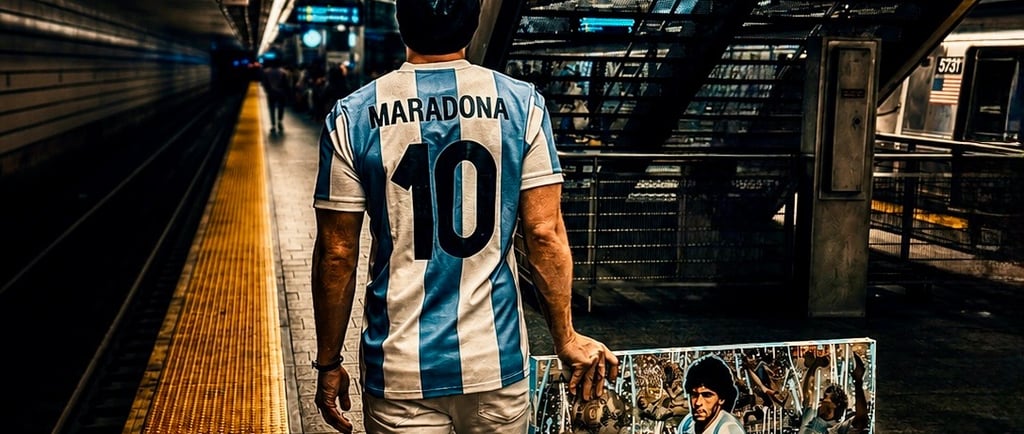
Similarly, sports icons like Messi and Kobe serve as artistic muses. Their achievements and personal narratives allow artists to explore themes of perseverance and excellence. The vibrancy of athleticism juxtaposed with the fragility of human achievement creates a rich tapestry for artistic exploration. These figures are not merely subjects; they become embodiments of aspiration, dedication, and the fleeting nature of triumph.
Myths and Collective Memory Through Iconography
Cultural icons also facilitate discussions around mythology and collective memory. Stan Lee, with his creation of superheroes, bridges the gap between reality and myth. His characters reflect societal hopes and fears, acting as modern-day mythological figures. Artists focus on these iconic representations to reflect on cultural narratives and collective identities, providing insight into how society envisions heroism.
Likewise, Joy Division's music and imagery resonate within contemporary art as symbols of the existential struggle. The band's aesthetic invokes a collective memory that speaks to themes of loss and longing, making it fertile ground for artistic interpretation. Artists draw upon the band’s legacy to comment on broader human experiences and emotions, allowing these cultural icons to become vehicles for deeper examination of shared identities.
Ritchie's Work: A Recontextualization of Icons
Within this context, Ritchie's artwork transcends traditional portraiture. His pieces do not simply replicate the likeness of these cultural icons; rather, they invite viewers to engage with the underlying themes these figures represent. By emphasizing the myths and memories associated with icons like Monroe, Kobe, or Joy Division, Ritchie reconstructs narratives that challenge and deepen collective understandings of fame.
In conclusion, the power of cultural icons in contemporary art lies in their capacity to encapsulate complex societal themes. They act as touchstones for examining fame, memory, and mythology, leading to a richer dialogue about collective identity. As artists continue to explore these figures, they not only honor their legacies but also challenge our perceptions of what it means to be part of a culture that idolizes the extraordinary.